P/N 2455038-2: Aircraft Cooling System Part
P/N 2455038-2: Aircraft Cooling System Part
Blog Article
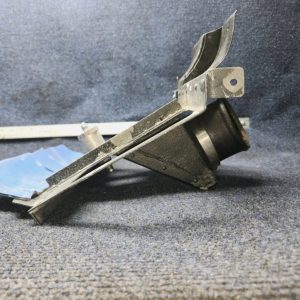
P/N 2455038-2 should be selected only after confirming aircraft serial applicability, engine configuration, mounting geometry, material condition, and included hardware.
A Cessna 172RG Rear Right-Hand Baffle may also be described as a Cessna 172RG Engine Baffle or Cessna 172RG Cooling Baffle when the position and part number remain clear.
Whether described as a Cessna Cutlass Engine Baffle, Cessna 172RG Baffle Assembly, Rear RH Engine Baffle, or Aircraft Engine Baffle Assembly, precise configuration verification remains essential.
The Cessna Engine Cooling Baffle works with other Cessna 172RG Engine Compartment Parts to reduce unwanted air leakage and direct airflow through intended cooling paths.
The Cessna Aircraft Engine Baffle may provide replacement value when its geometry, mounting points, seals, and material condition remain suitable.
Reviewing the 2455038-2 Component
A component should not be accepted as P/N 2455038-2 solely because it appears to fit the rear right-hand engine area.
The right-hand orientation and rear engine-compartment location should be verified before shipment or installation.
Purpose of the Rear RH Engine Baffle
System-level inspection supports more effective engine-compartment maintenance.
Complete evaluation helps maintenance personnel address the underlying cooling concern.
Choosing the Correct Cessna Engine Baffle
Aircraft-specific verification helps prevent unsuitable substitution and expensive rework.
Mounting holes should not be enlarged or relocated casually to force alignment.
Understanding Formed Aluminum Cooling Panels
The exact material, thickness, temper, finish, and construction should be confirmed through applicable technical information when required.
The baffle should be supported correctly during storage and shipment to prevent bending.
Aircraft Cooling Component Inspection
Inspection should begin with the baffle clean enough to reveal cracks, corrosion, dents, distortion, elongated holes, fretting, damaged flanges, broken brackets, and previous repairs.
Unusual waviness or twisted geometry should be measured rather than dismissed as cosmetic.
Cessna Cooling Air Seal Replacement
Flexible seals help close gaps between metal baffles and surrounding cowling surfaces so cooling air follows the intended route.
Seal overlap, direction, clearance, and edge contact should be checked after installation.
Managing Moisture and Chemical Exposure
Aggressive sanding or grinding can remove structural material and more info complicate assessment.
Oil, fuel, cleaning chemicals, battery residue, exhaust deposits, moisture, and salt exposure can affect engine-compartment sheet metal and protective finishes.
Evaluating Fretting and Elongated Holes
Detailed attachment-point inspection supports accurate repair planning.
Old hardware should not be reused automatically because it fits the existing holes.
Cessna 172RG Engine Compartment Parts
The complete engine-compartment area should be inspected before parts are ordered.
Used Cessna 172RG Engine Compartment Parts should be evaluated individually rather than accepted solely because they came from the same donor aircraft.
Engine Cooling Troubleshooting
Complete troubleshooting helps prevent unnecessary replacement and repeated maintenance.
Maintenance personnel should identify all relevant findings and correct them through appropriate procedures.
Repairing a Damaged Engine Baffle
Repair should not be selected only because it appears less expensive initially.
Repairs should preserve the intended contour, mounting locations, clearances, seal attachment, and airflow boundary.
Buying P/N 2455038-2
Components with clear donor-aircraft information, current photographs, and transparent condition descriptions are easier for professional buyers to evaluate.
Accurate commercial information supports responsible Cessna 172RG Replacement Baffle transactions.
Inspecting the Baffle Before Purchase
A detailed review reduces unsuitable purchases and unexpected repair costs.
- Resolve identity, compatibility, orientation, and package-completeness questions before payment.
- Inspect the baffle for cracks, corrosion, pitting, dents, buckling, distortion, elongated holes, fretting, broken brackets, damaged flanges, and previous repairs.
- Report freight damage, missing pieces, dimensional differences, undisclosed repairs, corrosion, or identification discrepancies promptly.
Shipping and Storing the Rear RH Baffle
Padding should prevent direct contact with hard surfaces without trapping damaging moisture.
During storage, the component should remain supported in its natural shape rather than leaning under loads that may cause distortion.
Professional Engine Baffle Installation
Installation should be completed by appropriately qualified aviation maintenance personnel using applicable aircraft, engine, parts, and maintenance information.
Protective finishes and seal materials should be compatible with the intended engine-compartment environment.
After installation, technicians should inspect mounting security, seal contact, clearances, cowling fit, airflow gaps, interference, and completeness.
Routine Cessna Cutlass Baffle Care
Cleaning should preserve evidence long enough for maintenance findings to be documented.
Preventive maintenance protects both P/N 2455038-2 and surrounding Cessna 172RG Engine Compartment Parts.
Buying a Rear Right-Hand Engine Baffle
For the appropriate Cessna Cutlass installation, the assembly can help restore the intended rear right-hand cooling-air boundary when surrounding components are also maintained properly.
The baffle should be judged according to complete installation suitability rather than clean appearance, general Cessna similarity, donor-aircraft status, or purchase price alone.
Whether buyers need a Cessna 172RG Baffle Assembly, Rear RH Engine Baffle, Aircraft Engine Baffle Assembly, or Cessna Engine Cooling Baffle, aircraft-specific compatibility should be verified.
With verified identity, suitable material condition, accurate geometry, professional installation, organized documentation, and routine inspection, the baffle can provide dependable long-term value.
Report this page